

-
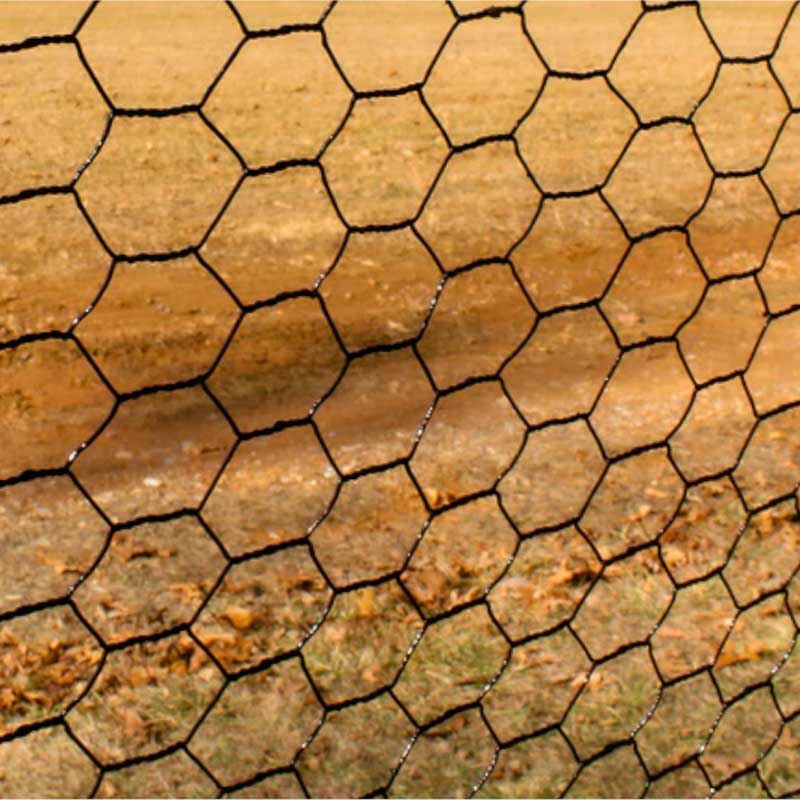
Metal Fencing, Hexagonal Mesh, 2 x 50 Feet
$59.95 -
Metal Fencing, Hexagonal Mesh, 2 x 100 Feet
$79.95 -
Metal Fencing, Hexagonal Mesh, 2 x 150 Feet
$119.95 -
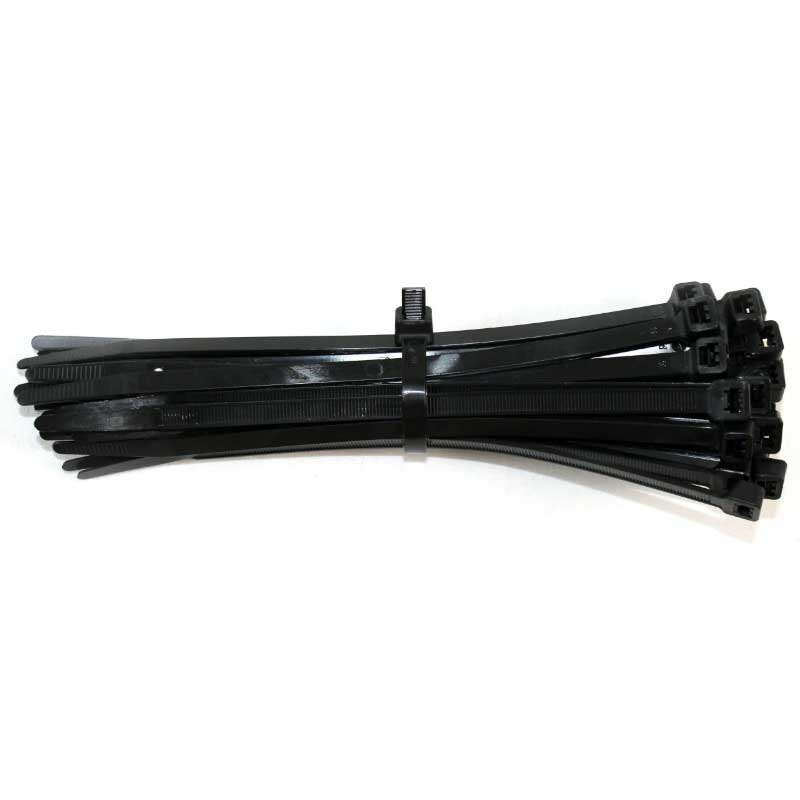
Nylon Zip-lock Ties, 8-inches, Black, Bag of 100
$10.95 -
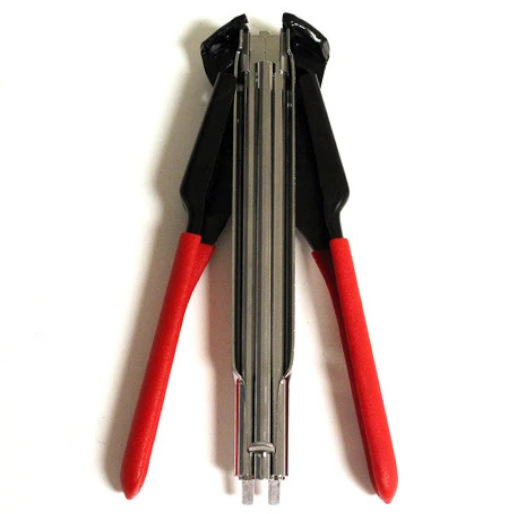
Hog Ring Stapler for 11/16″ Staples
$54.95 -
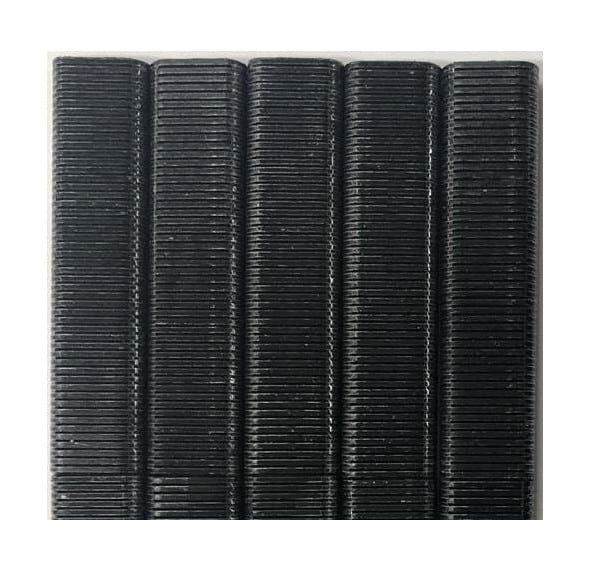
Hog Ring Staples, 11/16-inch, Black, Galvanized, 2500
$28.95 -
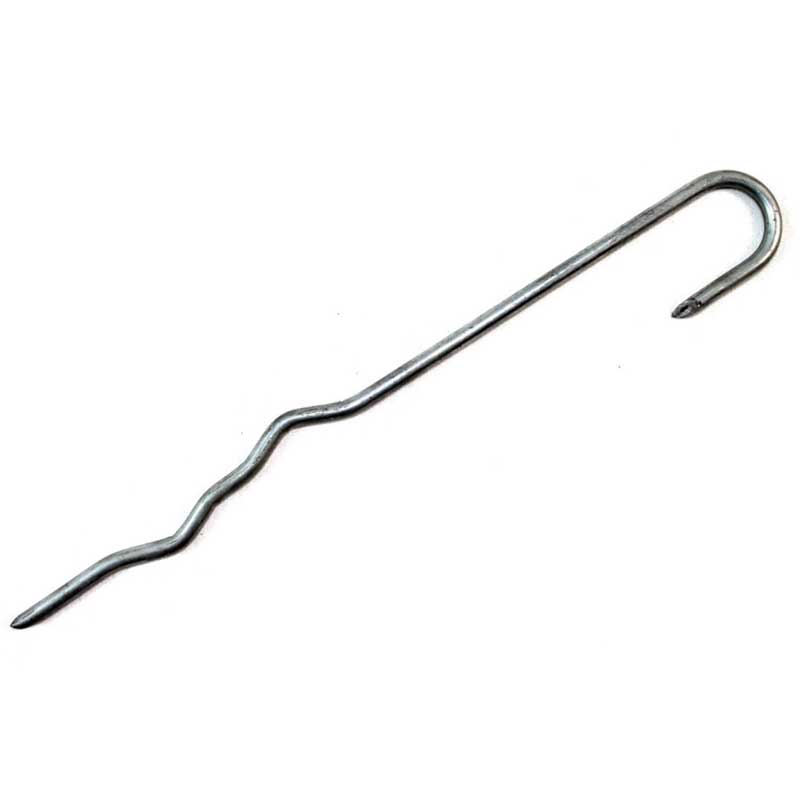
Ground Stakes, Kinked, 12 Inches, Bundle of 30
$24.95 -
Ground Stakes, Kinked, 12 Inches, Bundle of 240
$167.95
What You Need and Why You Need It
Plastic fences have a problem. Any self-respecting rabbit or woodchuck that wants to cross the fence line will gnaw a hole in the fencing. That’s no problem. The fence isn’t designed to keep them out.
But the deer don’t want to go over a tall fence. They want to go under it. So they commonly explore the fence bottom, find one of these small holes, poke their heads in, break a few corner bonds or lever up the fence (the fencing is very strong but so are the deer), and now you have deer in your enclosure.
Unlike other problems that can befall plastic deer fences, this one is very common. So it’s wise to install a bottom guard — a two-foot wide strip of metal hexagrid fencing. Install the upper 18 inches vertically on the bottom 18 inches of the plastic fencing with a hog ring stapler (or nylon zip-lock ties as a second cholce), using about two staples or ties per foot of fence.
Then fold the remaining 6 inches of the bottom barrier outward on the ground (toward the deer). No burial is needed. Stake this bottom fold down with ground stakes to keep deer from nosing under the fence, using at least one stake every six feet, and you’re done. That’s all there is to it.